The Long Island Conservancy and Marshall Brown are champions for native plants and for local habitat restoration. We need to plant natives in our yards as habitat for local wildlife.
Category: Habitat Restoration
The Suburban Lawn Must Die
We need yards, not lawns. We need to learn what is native and what is not, and go native. Our local animal population is depending on us.
This Arbor Day, Remember to Plant Native Trees in The Fall Too
Spadefoot Design and Construction, the firm that planted my yard with natives, is in the practice of planting at least as many trees in the fall as in the spring. The tree then has a whole season to grow and further mature. Further, the spring is already very busy with all the weeding and planting.… Continue reading This Arbor Day, Remember to Plant Native Trees in The Fall Too
Going Native
By going native, everyone can contribute to improving the local ecology, creating habitat for our local creatures.
Sayville Goes Native!
Bring a little Nature home April 23rd in Sayvlle. Come by, learn about and pick up some native plants, and help Sayville restore precious habitat.
Destroying a Freshwater Wetland to Dump Dredge Spoils?
Bureaucratic momentum led to the destruction of rare habitat. We as Long Islanders and as New Yorkers need to take a lesson: We must begin to stand for what pockets of nature remain. If they go, then what?
Plant Natives: Create Habitat
We must work to remove invasive plants en masse and plant natives or we will witness the final collapse of our local ecosystems
Winter Is The Time To Confront The Misery Of Wisteria
A truly dreadful invasive plant would be wisteria. Prized for its flowers, this asian import is strangling trees everywhere.
Winter Is The Perfect Time To Kill English Ivy
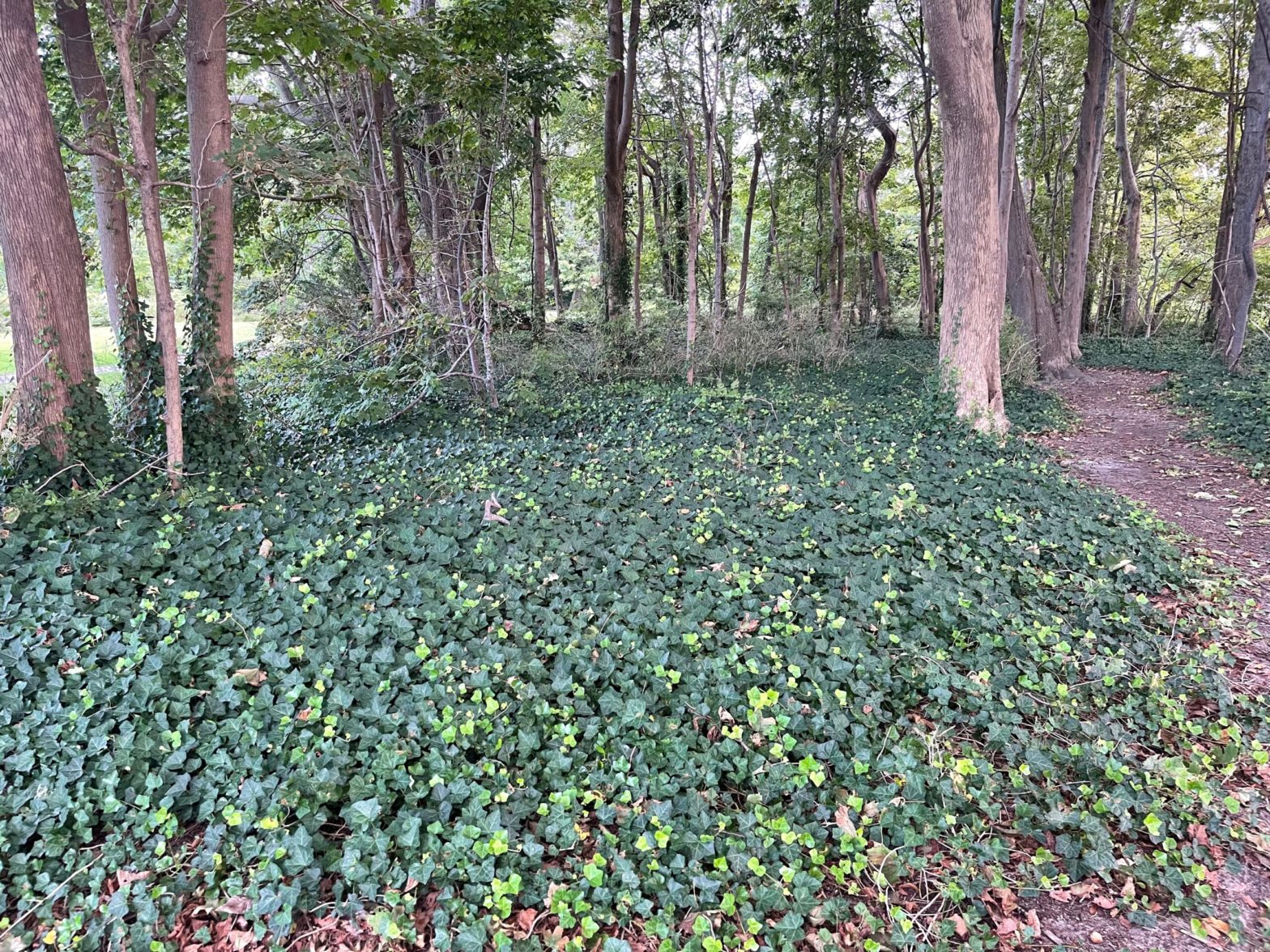
We need to see English Ivy for what it is: A destructive invasive vine that destroys forests.
Marina Park Project
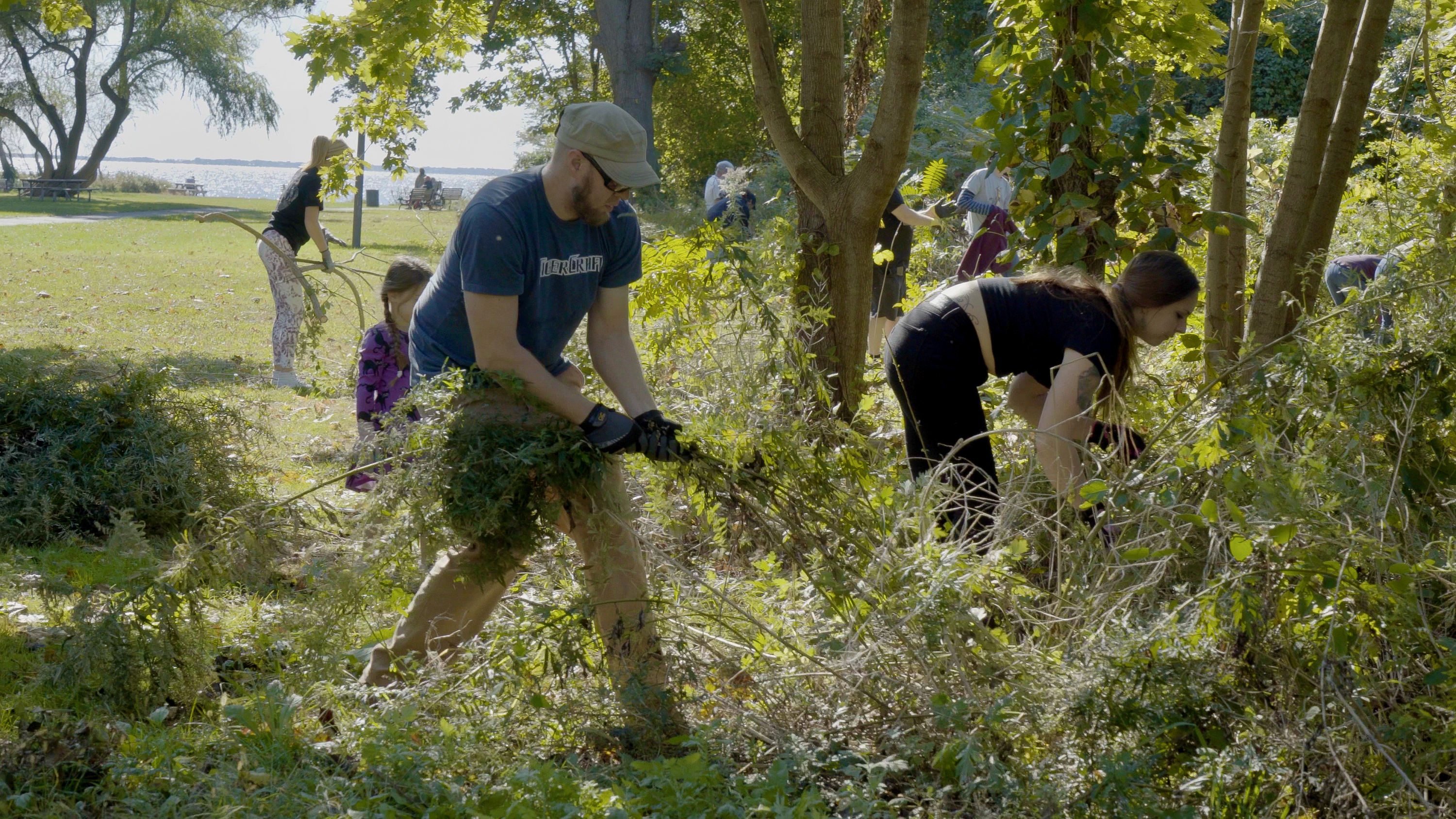
On Oct 17th, 2021, Sayville turned out en masse, young and old, to help remove the invasive plants that had taken over Foster Marina Park in Sayville, and to replace those invasive plants with natives — trees such as oak, sassafras, red maple and chestnut, along with a 3000 sq ft wildflower garden